Additive Manufacturing in Aerospace: A New Era of Innovation
Additive manufacturing in aerospace, also known as 3D printing, has become a game changer for such industry as it allows intricate, light-weight components.

Fire-retardant prototypes are tested to ensure compliance to safety regulations among industries. Learn about fire-safety standards, materials, and more.

Production of parts on demand is a manufacturing solution that allows companies to make low-volume production with none to minimal waste at a low price.

Rapidly changing market demands push industries to compare urethane casting vs 3D printing. Therefore, everyone in various industries needs to assertively handle the project’s requirements, especially with a good, experienced team. In ARRK, we count on an outstanding professional team, which knows the trade and gives the best advice to match your expectations and production needs.

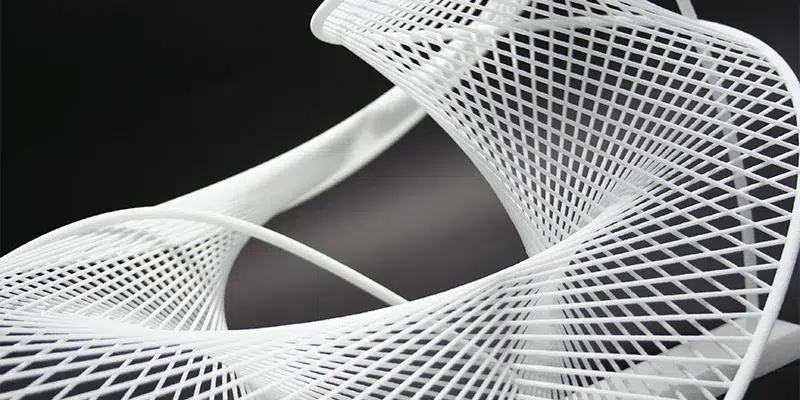
When was additive manufacturing invented in the 1980s?. There were different sets of lines to discuss: from rapid prototyping and when others started to test using different materials.

Learning about additive manufacturing advantages allows any company or person to thrive, especially if you can count on collaborating with a company with experience in fabricating additive manufacturing prototypes or final products.

There are many ways in how additive manufacturing is different from traditional manufacturing. Optimize your production line for a speed-to-market strategy.

Applying the most of the additive manufacturing benefits into your production goes beyond manufacturing. Learn about them and check how our expertise benefits you as well.

Every major industry from automotive, mobility, aerospace, defense, consumer products to medical and dental have taken advantage of additive manufacturing.